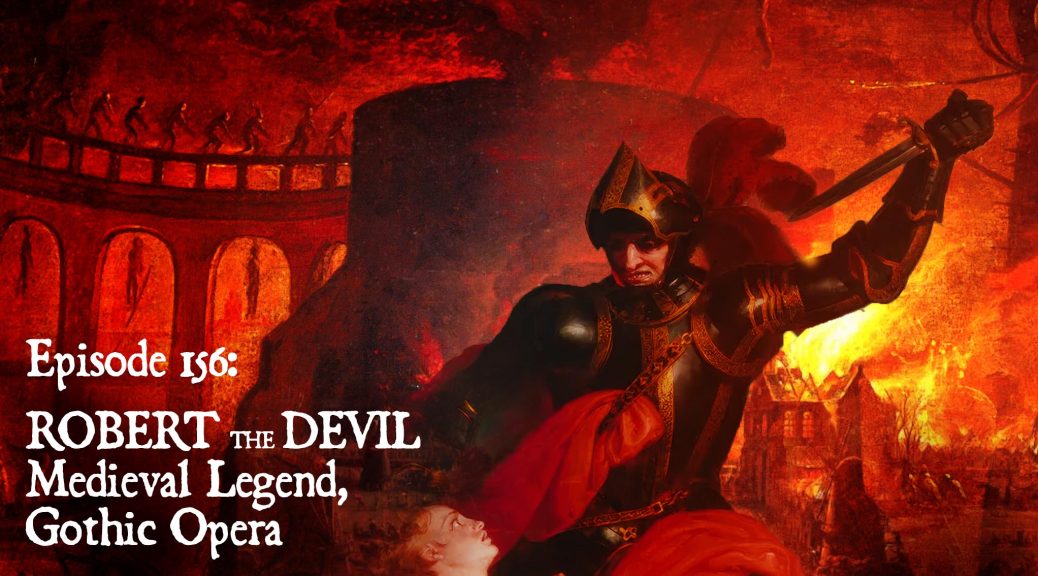
Category: nuns

Robert the Devil: Medieval Legend, Gothic Opera

Robert the Devil: Medieval Legend, Gothic Opera

Robert the Devil is a supernatural medieval legend that inspired a 19th-century French opera, which incorporates key elements from a seminal Gothic novel.  The opera and legend are substantially different but both interesting.

We begin with Giacomo Meyerbeer’s 1831 opera, Robert le diable, which gained notoriety for a ballet sequence in Act III, which portrays an attempted seduction of the hero, Robert, Duke of Normandy, by the ghosts of corrupted nuns, freshly risen from their crypts. The scene is not found in the original legend, but as we learn, was borrowed from a particularly sensationalistic early Gothic novel,The Monk, written by Matthew Gregory Lewis in 1764.   We also learn that Meyerbeer’s chief librettist, Eugène Scribe later went on to crib another storyline from Lewis’ The Monk for the 1854 opera by composer Charles Gounod, La nonne sanglante (“the bloody nun”).
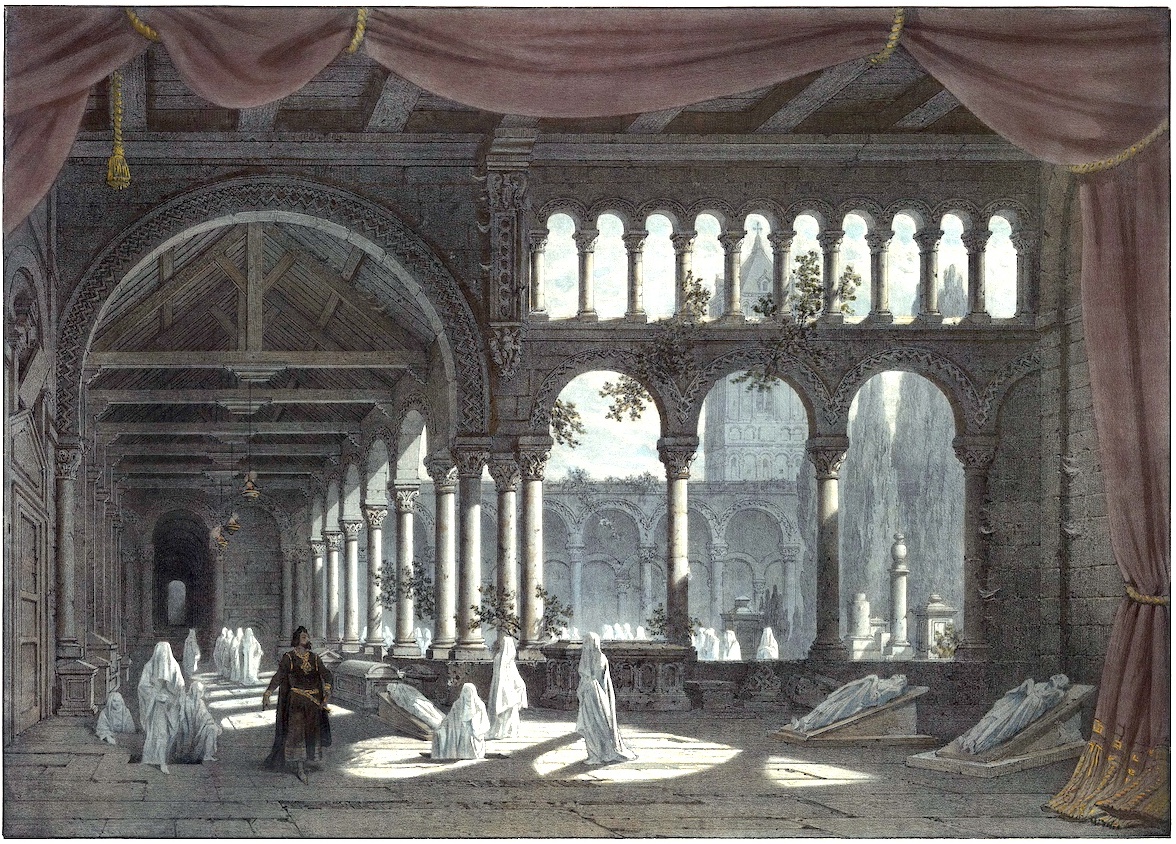
Rendering of cloister set for Paris Opera premiere.

Along the way, we learn how Robert le diable helped save the financially imperiled Paris Opera after its royal subsidy had been withdrawn following the July Revolution of 1830.  Along with public curiosity about the scandalous ballet, ticket sales owed much to the 19th-century equivalent of special effects — flashy and innovative stagecraft (new gaslight design, trapdoors, floating will-o-the-wisps, etc.) and a spectacular set replicating a ruined gothic monastery. Hans Christian Andersen, George Sand and Frédéric Chopin lavishly praised the production. Honoré de Balzac and Alexander Dumas worked mentions of the opera into their novels. Edgar Degas painted not one but two renderings of the Ballet of the Nuns.
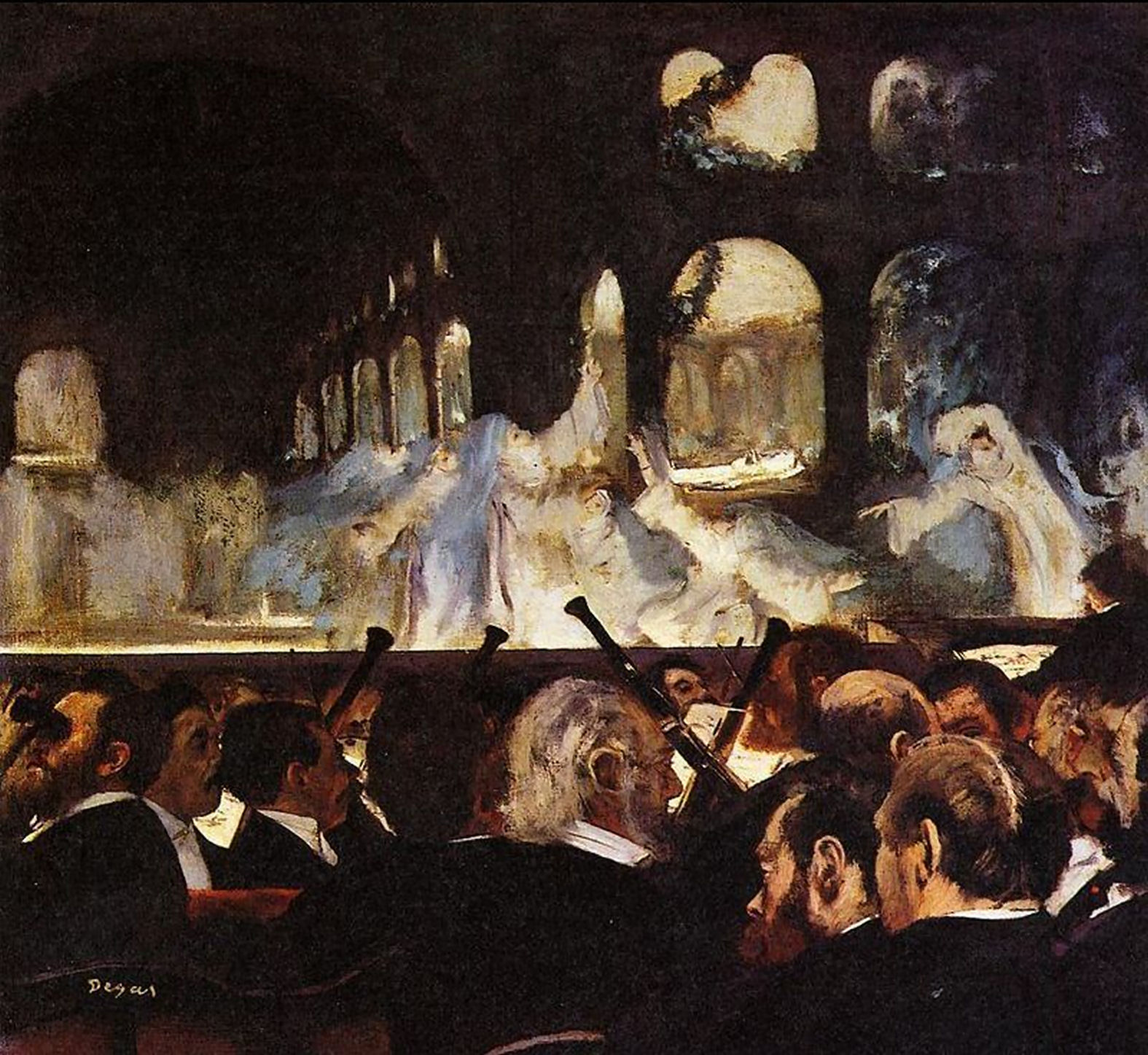
Edgar Degas’ rendering of the “Ballet of the Nins”

The opera also gave birth to a new style of ballet, one linked to Romanticism’s interest in the supernatural: ballet blanc, “white ballet” named for the innovative long, flowing skirts that lent themselves to wafting movements suggestive of misty wisps moving in the darkness. The opera’s 1847  London premiere was attended by Queen Victoria and featured superstar soprano Jenny Lind as Robert’s sister.  Traffic came to a standstill as unruly spectators mobbed the streets hoping for  glimpse of either celebrity.

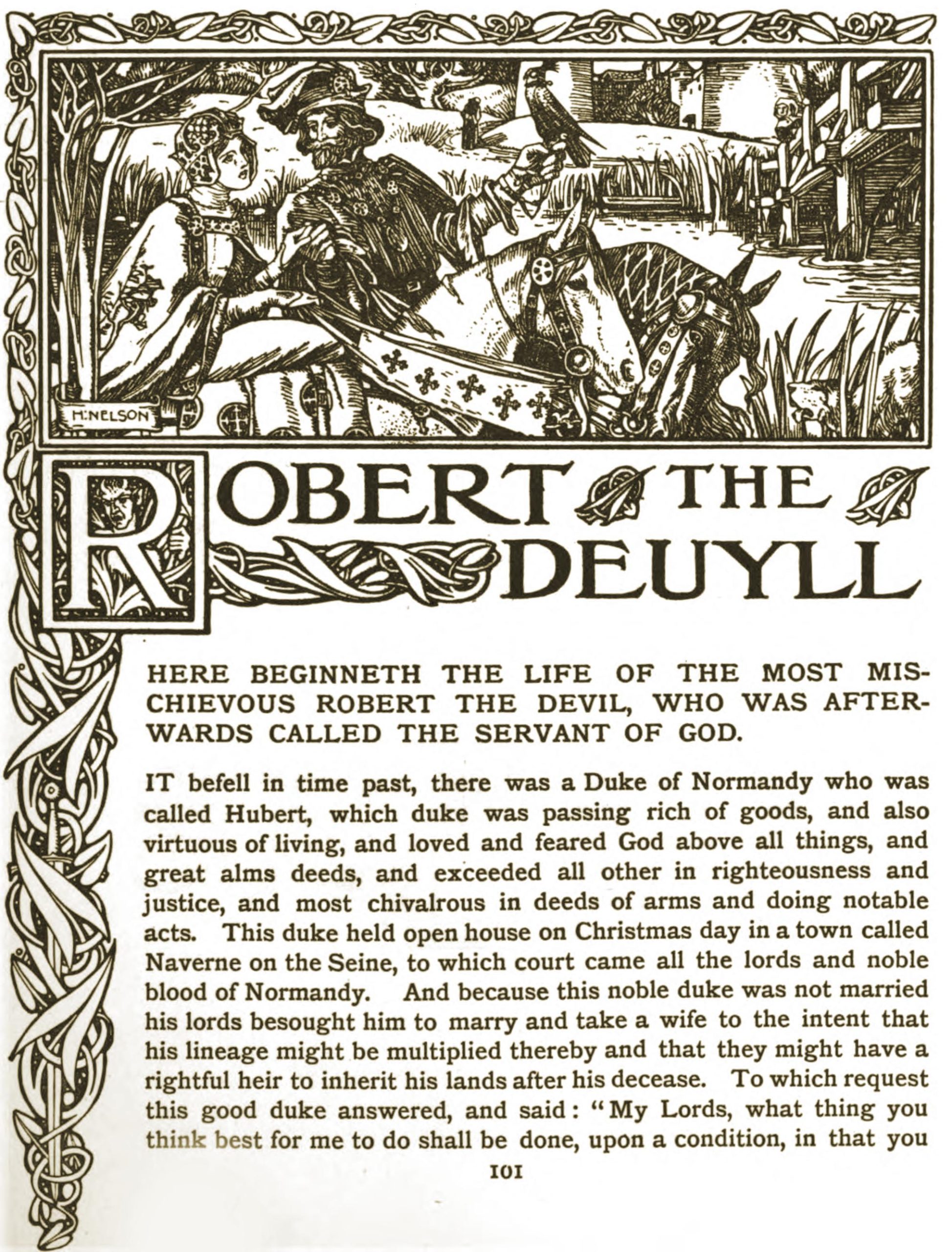
The second half of our episode tells the original story of Robert the Devil.  It first appeared around 1250, sketched out in short form by the Dominican monk, Étienne de Bourbon, in a collection of exempla, or moral tales intended to be used by priests in their homilies.  A couple decades later, details were filled out in a longer, anonymous  poem, preserved in France’s National Library. Then by the late 14th century, it was rendered as a miracle play in “Forty Miracles of Our Lady,” commissioned by a guild of Parisian goldsmiths. By 1500, the story had arrived in Britain. That year, Wynkyn de Worde, assistant to pioneering London printshop owner Thomas Caxton, issued a chapbook prose translation hewing close to the French 14th-century poem.

I found the Wynkyn de Worde text reproduced in a handsome 1904 volume complete with line illustrations, decorative initials, and borders reminiscent of the Arts and Crafts books of William Morris.  As promised in the episode, here is the link to that book: Robert_the_Deuyll.pdf.  (Visit the show notes on the Bone and Sickle website if you can’t click link).

As for the  story itself, it’s best you enjoy it without spoilers as told by Mrs. Karswell.  It’s full of demonic wrath, battles, court intrigue, miracles, pathos, and a very and prolonged peculiar penance.  All told in charming 16th-century language with all the little sound-design extras you’ve come to expect from Bone and Sickle.
Walled Up Alive

Walled Up Alive

Walling up a living victim, or immurement, has been used both as a punishment and for darker, magical purposes. In this episode, we detangle the history from the folklore of this grisly act.

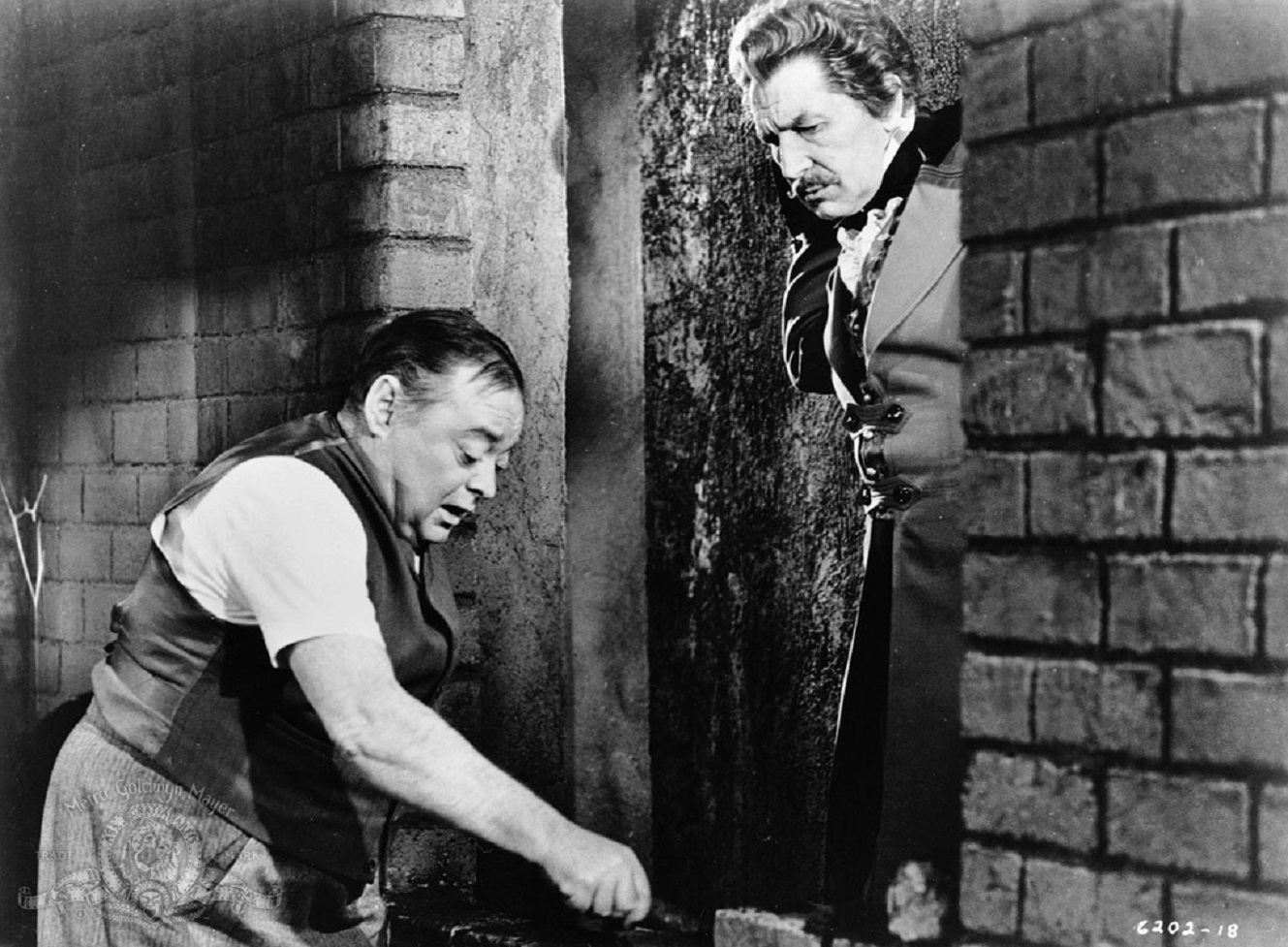
We begin with an instance of immurement from Edgar Allan Poe’s 1846 story “The Cask of Amontillado” (including a clip from a dramatization in 1954 radio show, Hall of Fantasy) and also get a glimpse of director Roger Corman’s freewheeling use of this element from Poe his 1962 anthology film, Tales of Terror, as well as 1961’s The Pit and the Pendulum.

Tales of Terror still
Peter Lorre walls up Vincent Price in Roger Corman’s Tales of Terror (1962)

Poe’s interest in immurement is typical of Gothic writers and their fascination with crypt-like spaces, often including the cells and catacombs within Catholic churches and monastic communities. Tales of immured nuns, abbots, and abbesses are particularly common, with the deed understood most typically as a punishment for unchastity but also occasionally for other outrageous deeds or teachings (including a case of dabbling in the black arts).  We have a look at some cases in which actual immured skeletons were said to have been discovered in religious communities and then consider the lore explaining their presence.  We also look at  ways in which writers like Sir Walter Scott and H. Rider Haggard blurred the line between historical and literary stories.

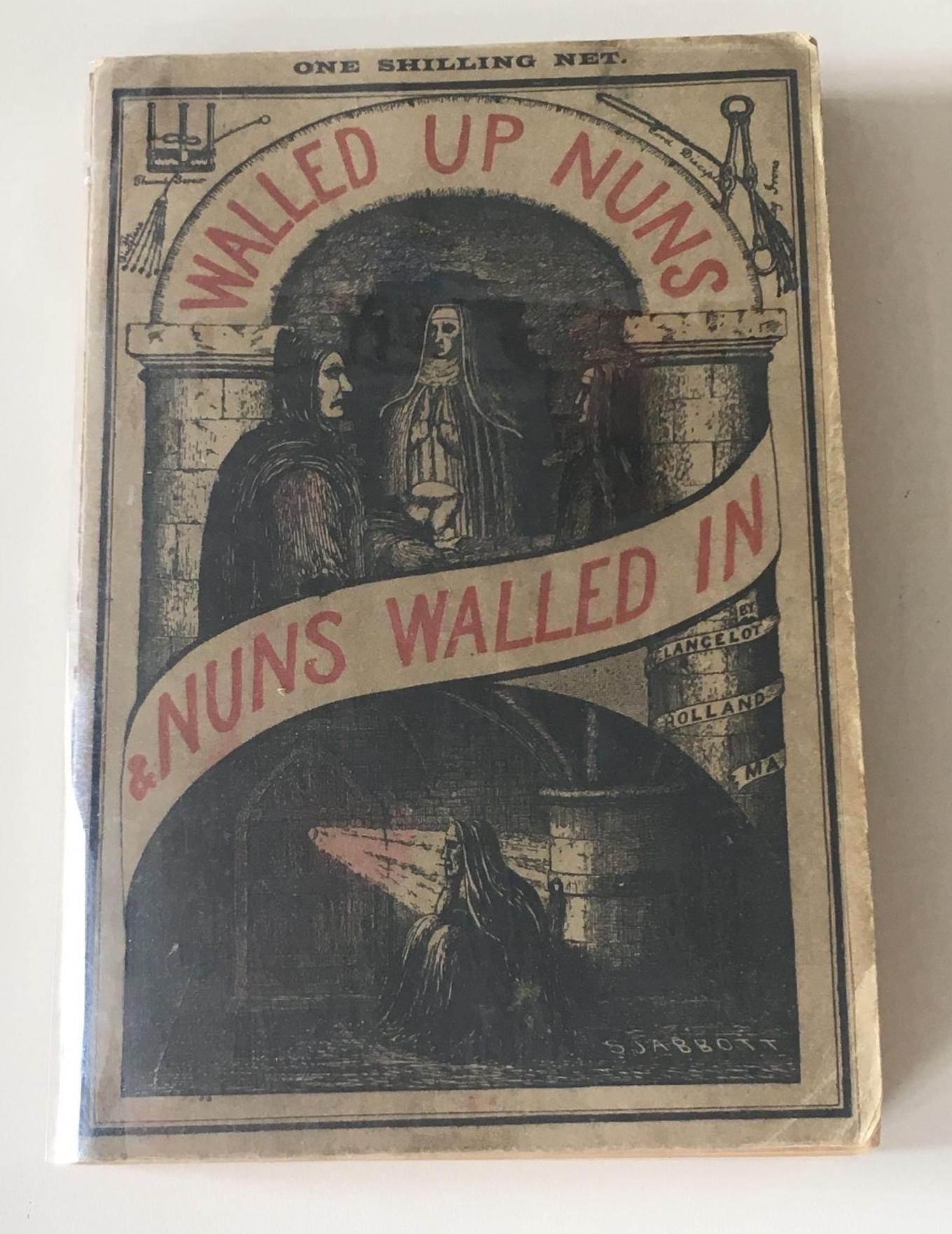
Walled up Nuns book
An 1895 booklet debating the topic of “Walled up Nuns & Nuns Walled In”

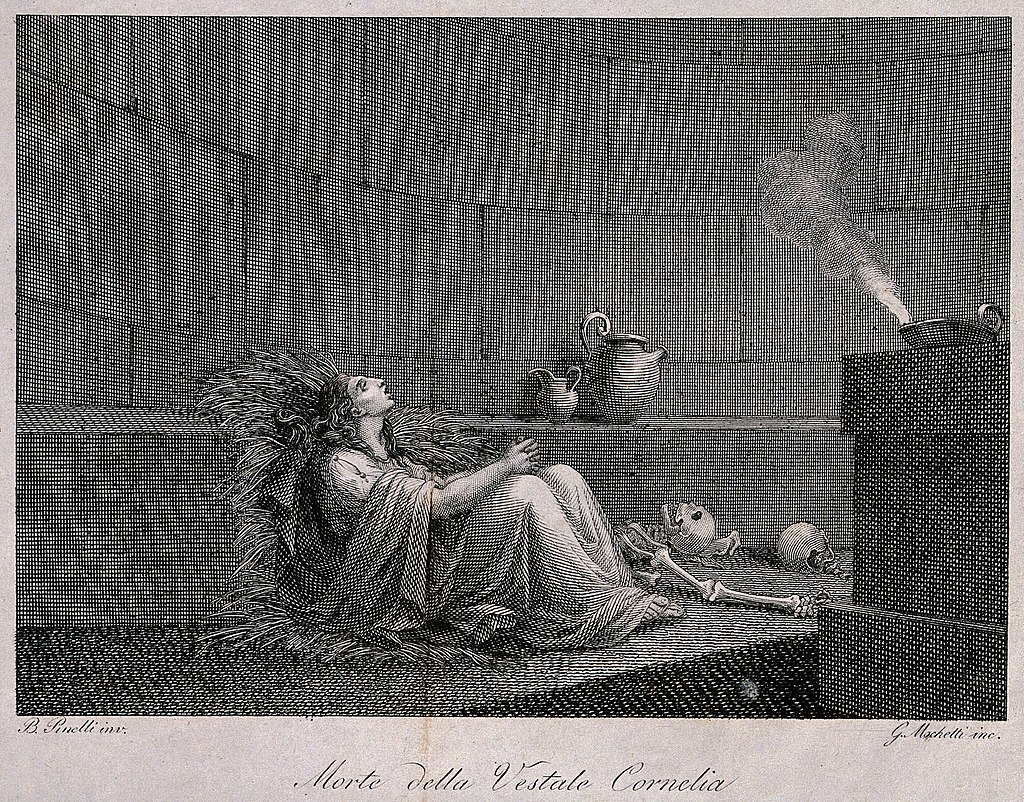
It’s likely that tales of nuns immured for unchastity were particularly prevalent as they echo the fate of Rome’s Vestal Virgins who failed to protect their virginity.  We hear some details of immurements, not only from ancient Rome, but also Greece as well as a particularly gruesome account read by Mrs. Karswell describing an ancient Assyrian revenge spree featuring immurement.

Cornelia the Vestal Virgin
“The Death of Cornelia, Vestal Virgin” by G. Mochetti.

Medieval accounts of immurement we look at include the Christian legend of The Seven Sleepers of Ephesus and one recounted in Dante’s Divine Comedy, that of  Count Ugolino della Gherardesca of Pisa (and his children/grandchildren, who are involved in a particularly grisly way).

Our next segment looks at punitive immurement from a cluster of legends in Scandinavia and the Baltic states.  We begin with a story from the Swedish island of Gotland, that of the Jungfrutornet (“maiden’s tower”) in the town of Visby.  The tower’s name is taken from the story of a maiden, who falls in love with a spy from Denmark, who uses her to obtain keys to the city gate in preparation for a devastating invasion.  The maiden’s punishment for betraying her town is, as you would have guessed, immurement.

We hear a similar story from Finland, which serves as the basis of the song (from which we hear a clip) Balladi Olavinlinnasta  or the ballad of Olaf’s Castle, and also a tale from a castle in Haapsalu, Estonia, said to be haunted by the maiden immured there.  Then we look at a church in the Estonian town of Põlva, where a particularly devout maiden was said to have allowed herself to be interred in a position of kneeling devotion as a sort of religious talisman forever protecting the church.

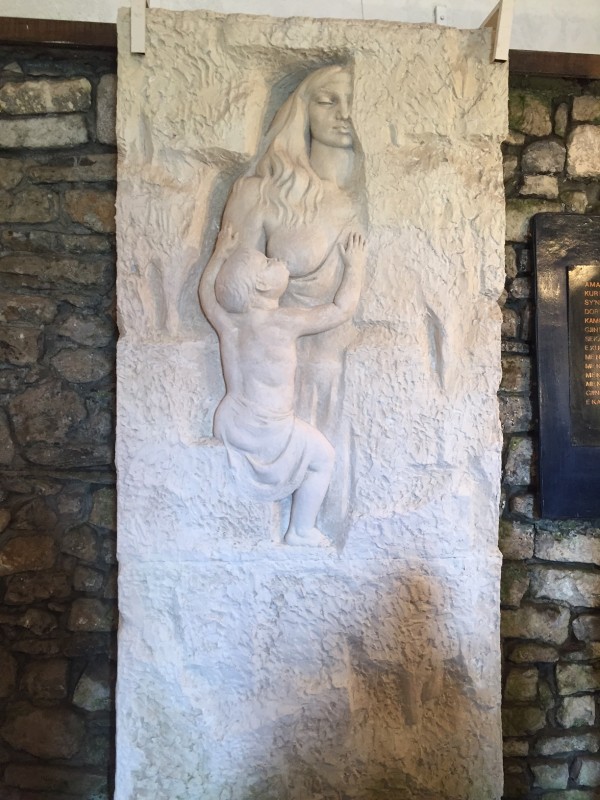
Walled in Wife
Sculpture of the walled in wife Rozafa, an Albanian version of the stonemason legend.

This notion of self-sacrificing immurement in a Christian context figures into the bizarre legend recounted of the 6th-century Irish saint Columba and his companion Odran, who allowed himself to be entombed in the foundation of a church on the Scottish island of Iona.

Our last segment looks at further stories of living humans entombed in buildings and other structures in what’s called a “foundation sacrifice.”  A cluster of tragic legends and ballads from southeastern Europe tell similar stories of women immured in structures by their husbands who work as stonemasons.  We hear these tales illustrated by a clip from the Hungarian ballad Kőműves Kelemen (“Kelemen the Stonemason”) as well as a bit of the soundtrack from the 1985 film The Legend of Suram Fortress by Sergei Parajanov  —  it’s based on a Georgian folk tale, so geographically close, though not quite one of the stonemasons-who-wall-up-their-wives genre.  But it’s a lovely film I just wanted to include.

We then move west in Europe to hear some stories of foundation sacrifices collected largely in Germany.  These include ancient sacrifices of children to the security of city walls, castles, and bridges, including a panic around a child sacrifice presumed necessary to a railroad bridge constructed near the town of Halle as late as the 1840s.

We end with a look at “church grims,” protective spirits of animals buried in church foundations (or churchyards) in Scandinavia and England, with lambs being preferred in the former and dogs in the latter — providing a connection to England’s black dog mythology.

And there’s one last story, much more modern, a 2018 news story from Houston Texas.